Rare Books and Manuscripts from Hrant Samuelian’s Oriental Bookstore Acquired at Auction and Donated to the Keron Development Foundation by Wilco
The rare and valuable collection of the Samuelian Oriental Bookstore in Paris, which for 95 years served as a cultural center for the Armenian community, was put up for auction on June 11, 2025.
The Librairie Orientale Hrant Samuelian was founded in 1930 by journalist and orientalist Hrant Samuelian in the heart of Paris’s Latin Quarter. He acquired the collection of rare books belonging to Palents, a Constantinople-based Armenian and owner of a major library. The bookstore became one of the longest-operating Armenian bookstores in the world, renowned for its rare manuscripts, old books, and valuable materials reflecting key chapters of Armenian culture and history. It was managed by its founder until his death in 1977, and later by his children, Armen Samuelian and Alice Aslanyan. The bookstore closed in 2016, and in 2025 Samuelian’s heirs decided to auction the entire collection.
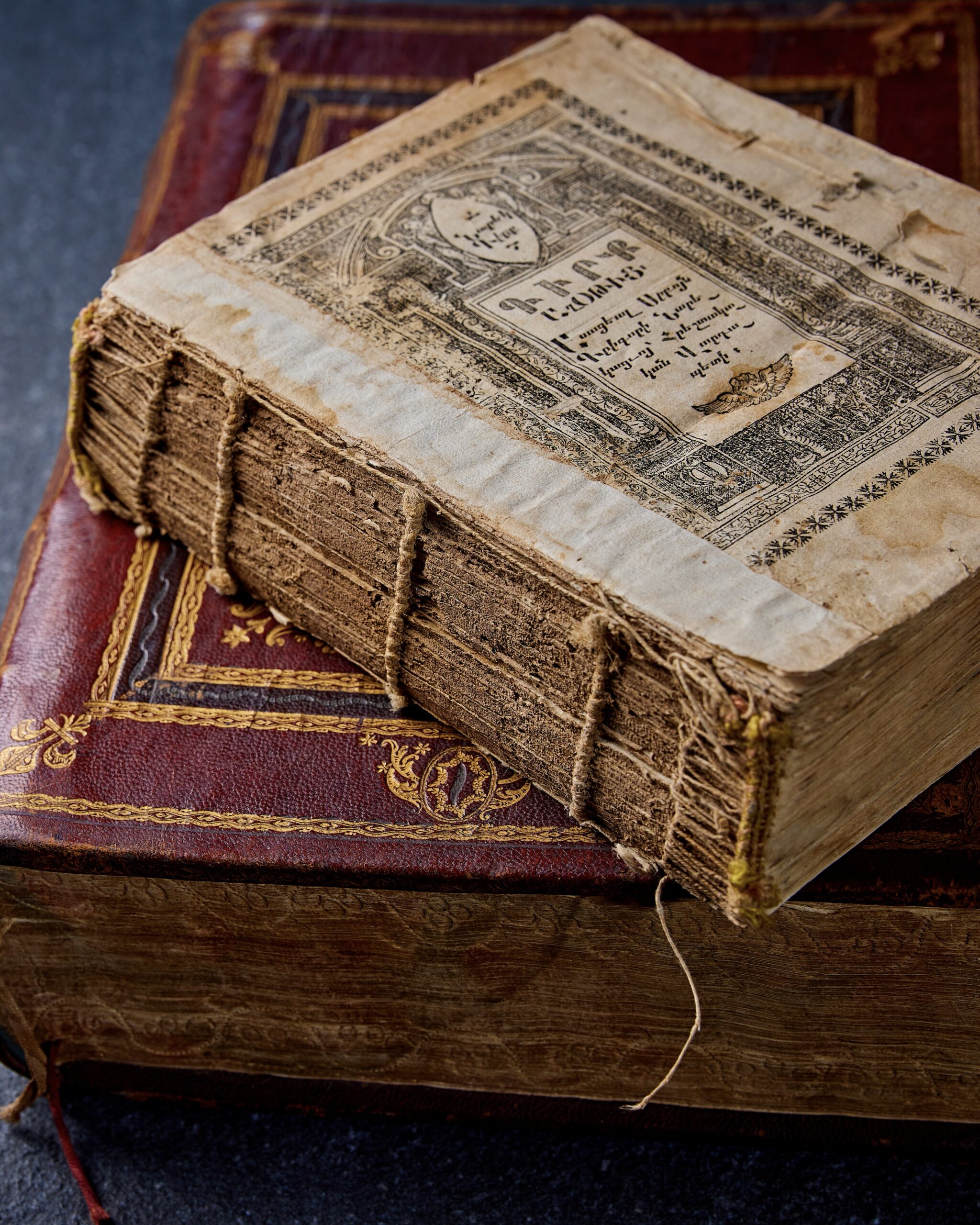
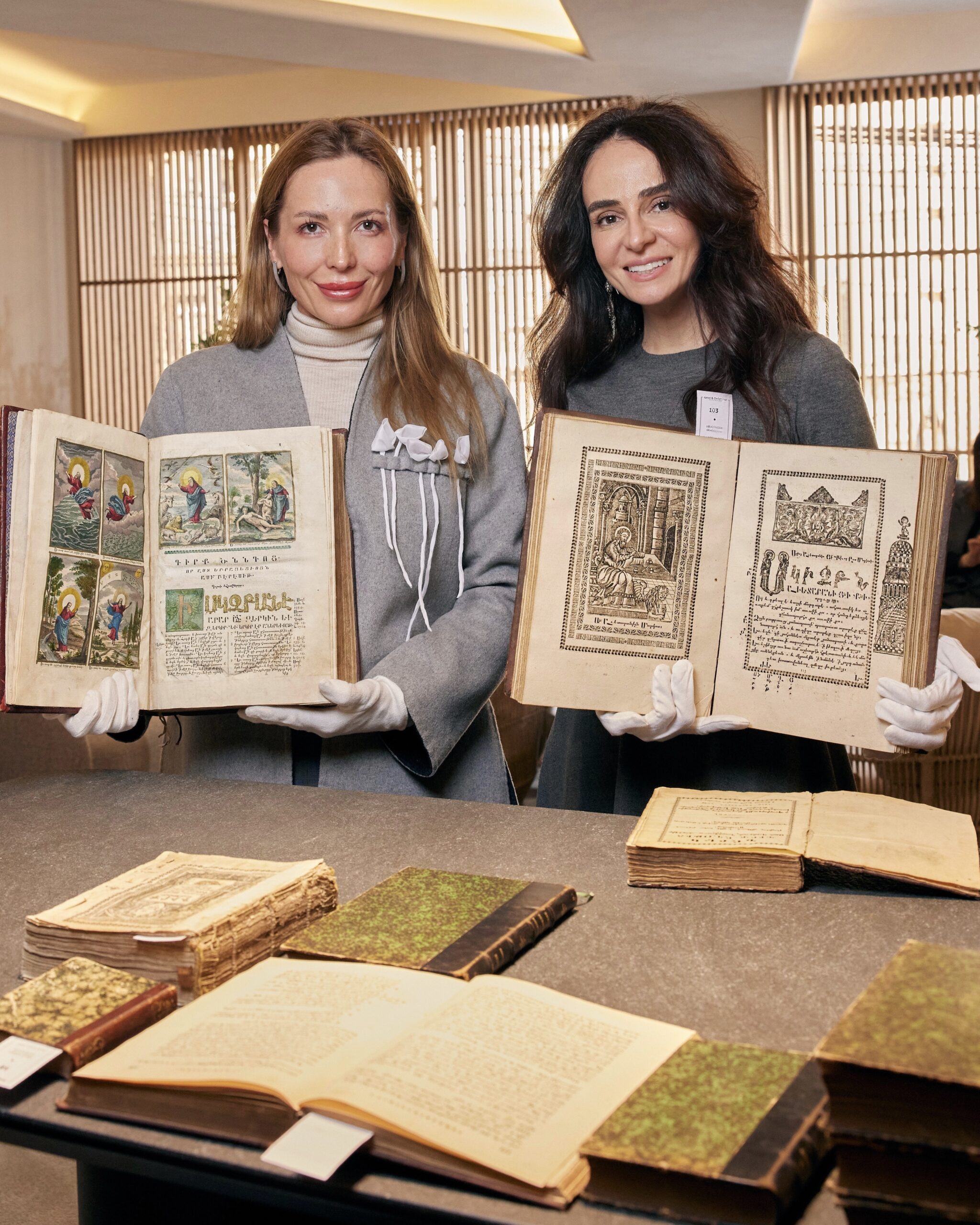
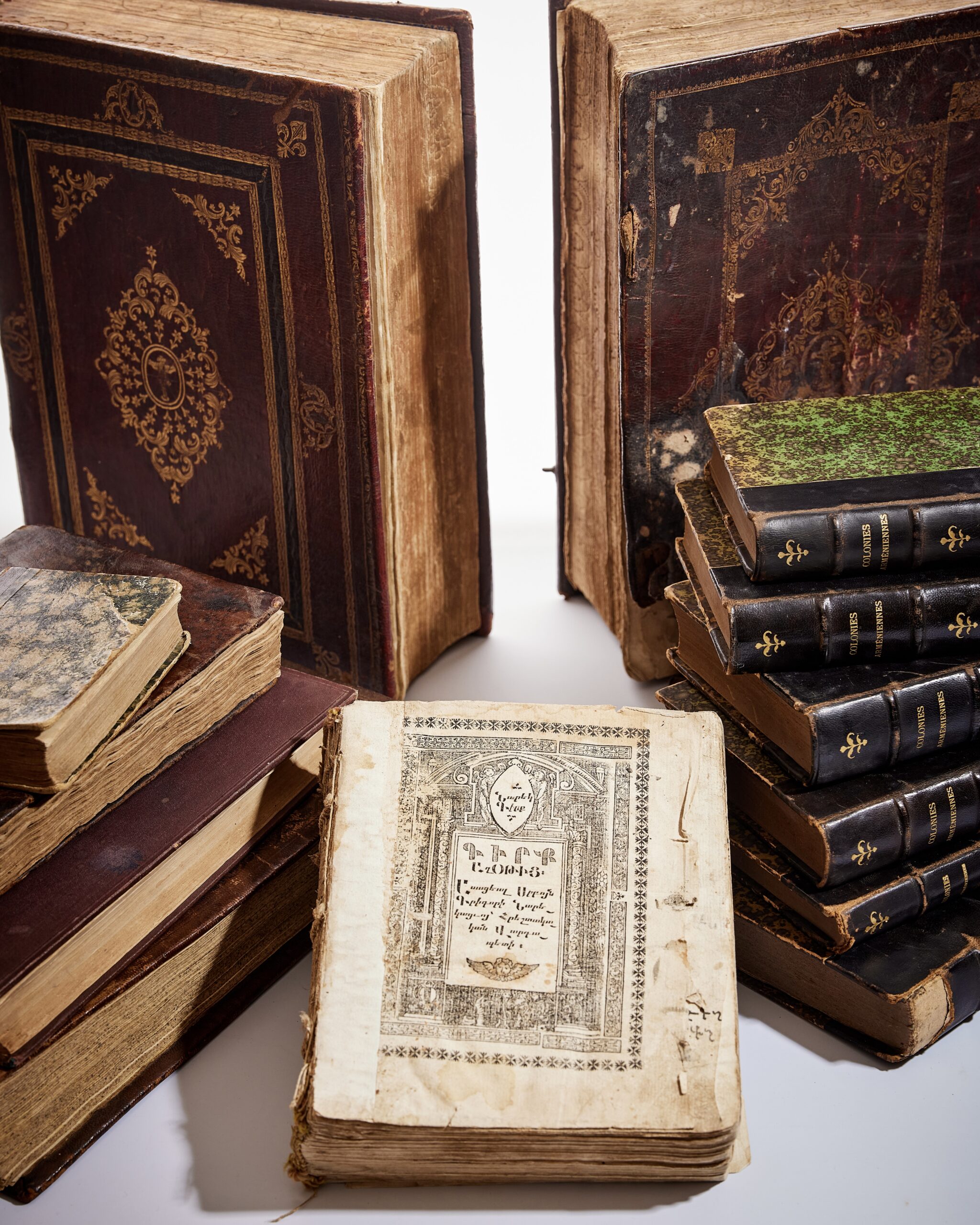
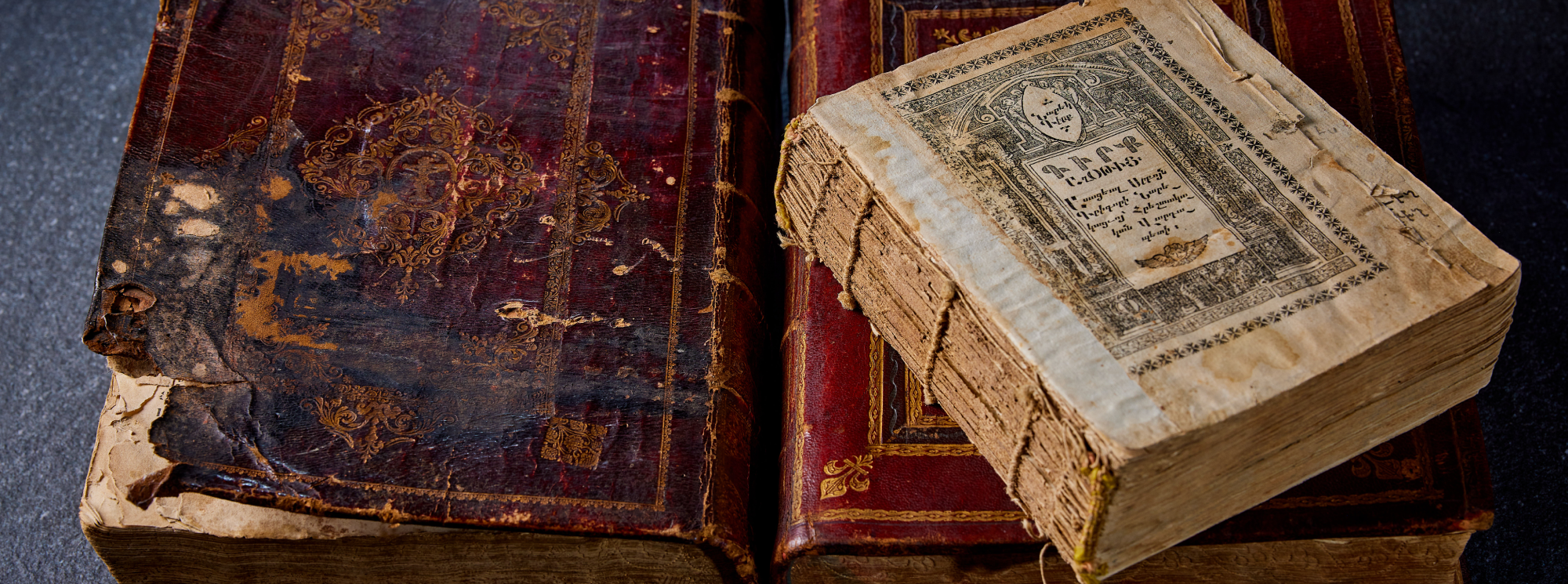
Among the items presented at the Paris auction were Mashtots ritual books, printed editions of Grigor Narekatsi’s “Narek. Book of Prayer” (1782 and 1829), rare medical manuscripts, and various compilations of great importance for the study of Armenian medieval culture and traditional medicine.
Wilco Wealth Management, operating in Armenia since 2002, participated in the auction and acquired 13 printed books and 5 rare manuscripts dating from the 17th–19th centuries. These include:
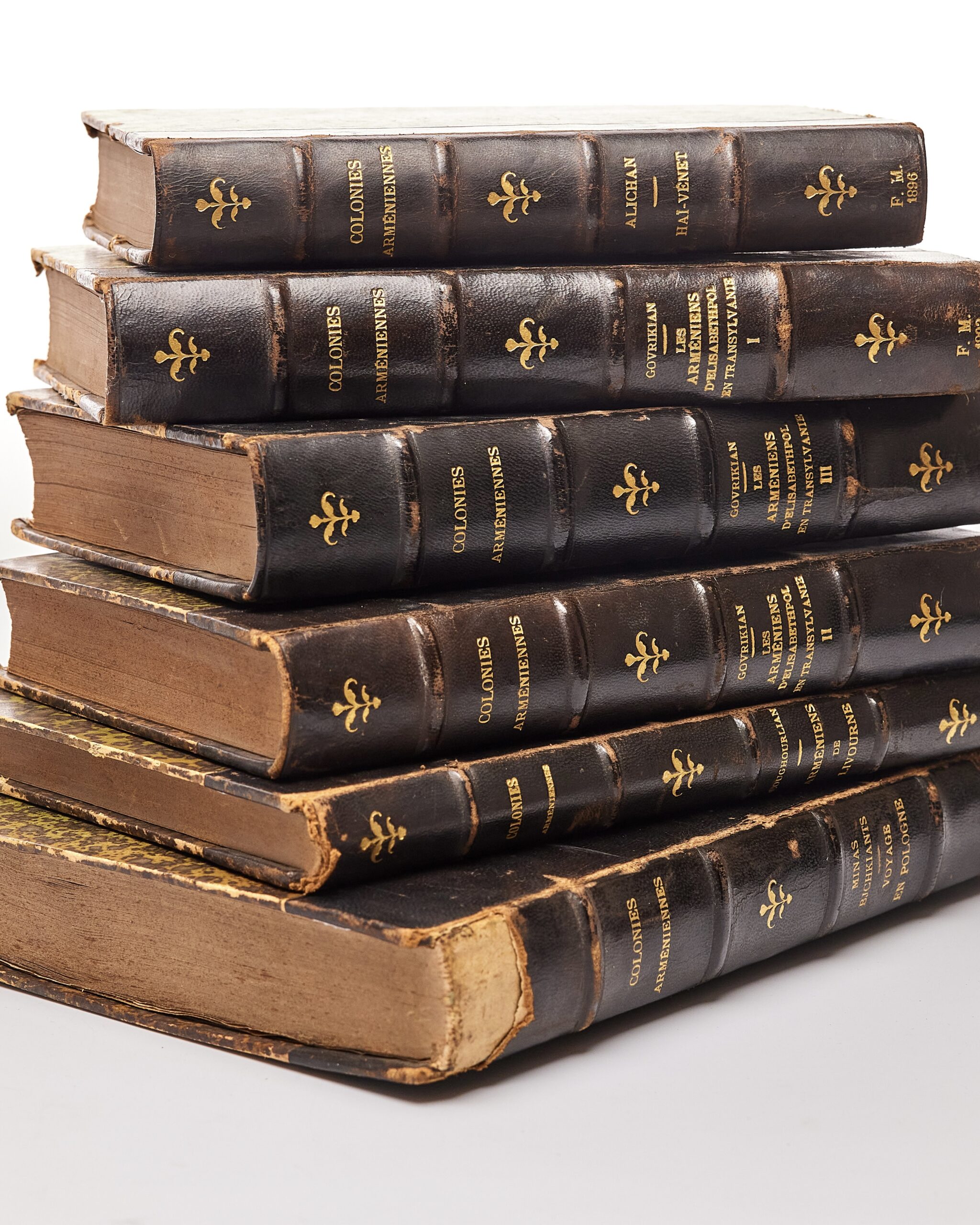
- “Hay-Venet or Relations between Armenians and Venetians” by Ghevond Alishan (1896, Venice)
- “History of the Armenian Migration to Livorno” by Mesrop Vardapet Ughurlian (1891, Vienna)
- Mkhitar Gosh’s “Datastanagirq” (1880, Etchmiadzin)
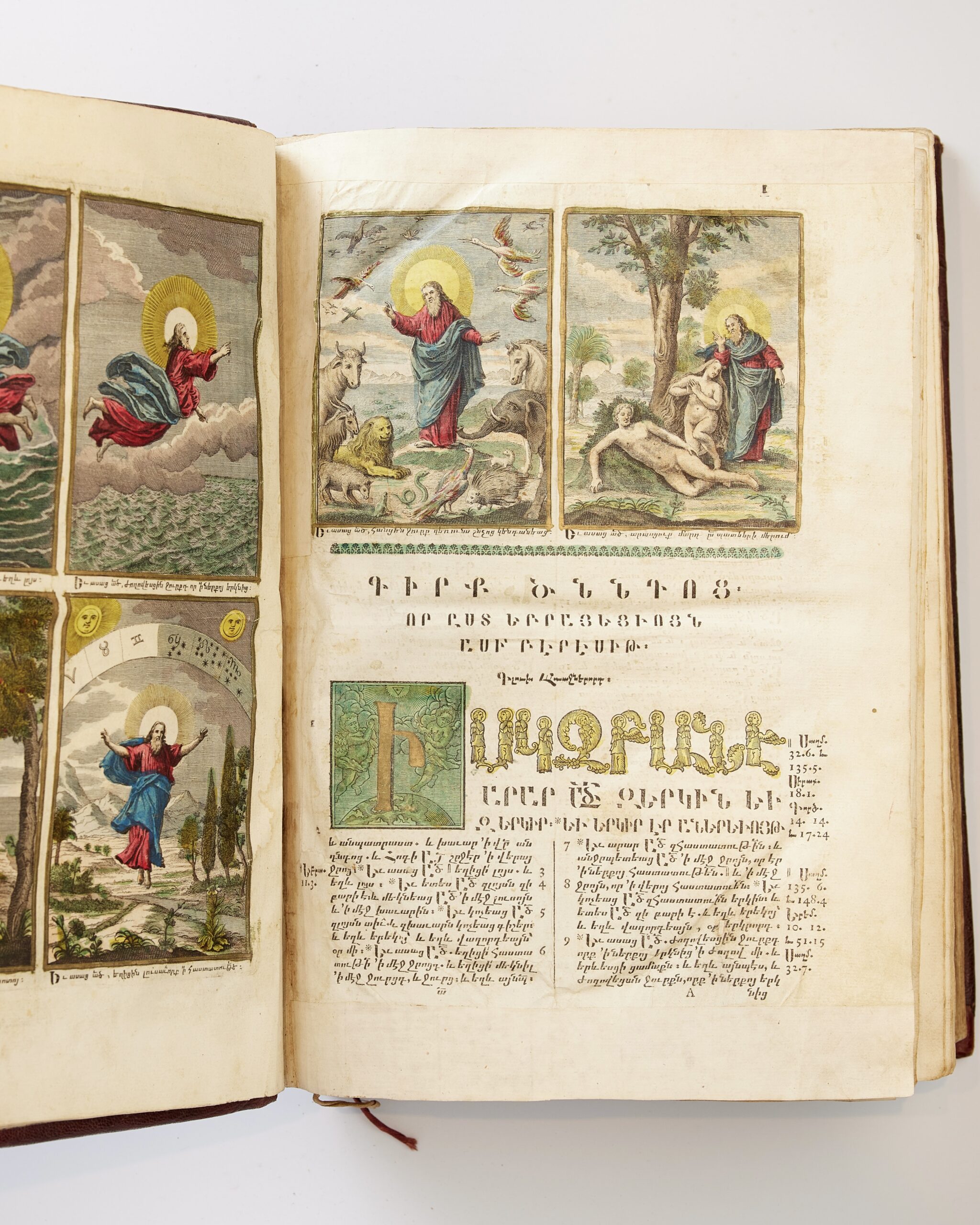
- The Bible (1733, Venice)
- The Bible (1733, Venice)
- Grigor Narekatsi “Narek. “Book of Prayers” (1782, 1829)
- “Tonatsuyts” (1782, Venice)
- The Gospel (1805, Constantinople)
- “Journey to Poland” by Minas Bzhshkyan (1830, Venice)
- Works on Armenian communities in Transylvania by Grigor Govrikyan (1893–1904, Vienna)
- Mashtots manuscripts (18th–19th centuries)
- A compilation manuscript (1672–1676)
- Medical manuscripts (17th–18th centuries)
- “Book of Remedies Useful for All Ailments” (1798)
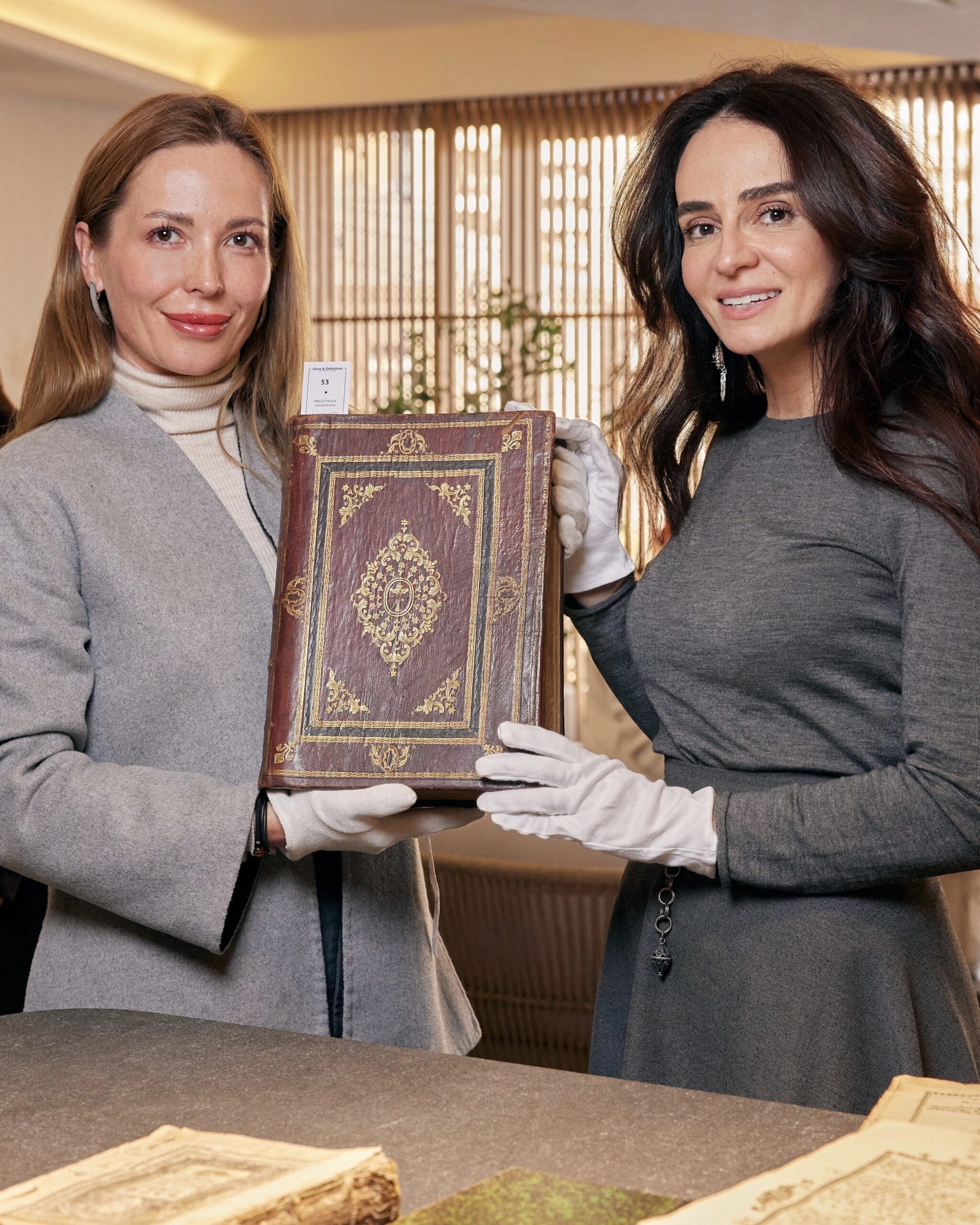
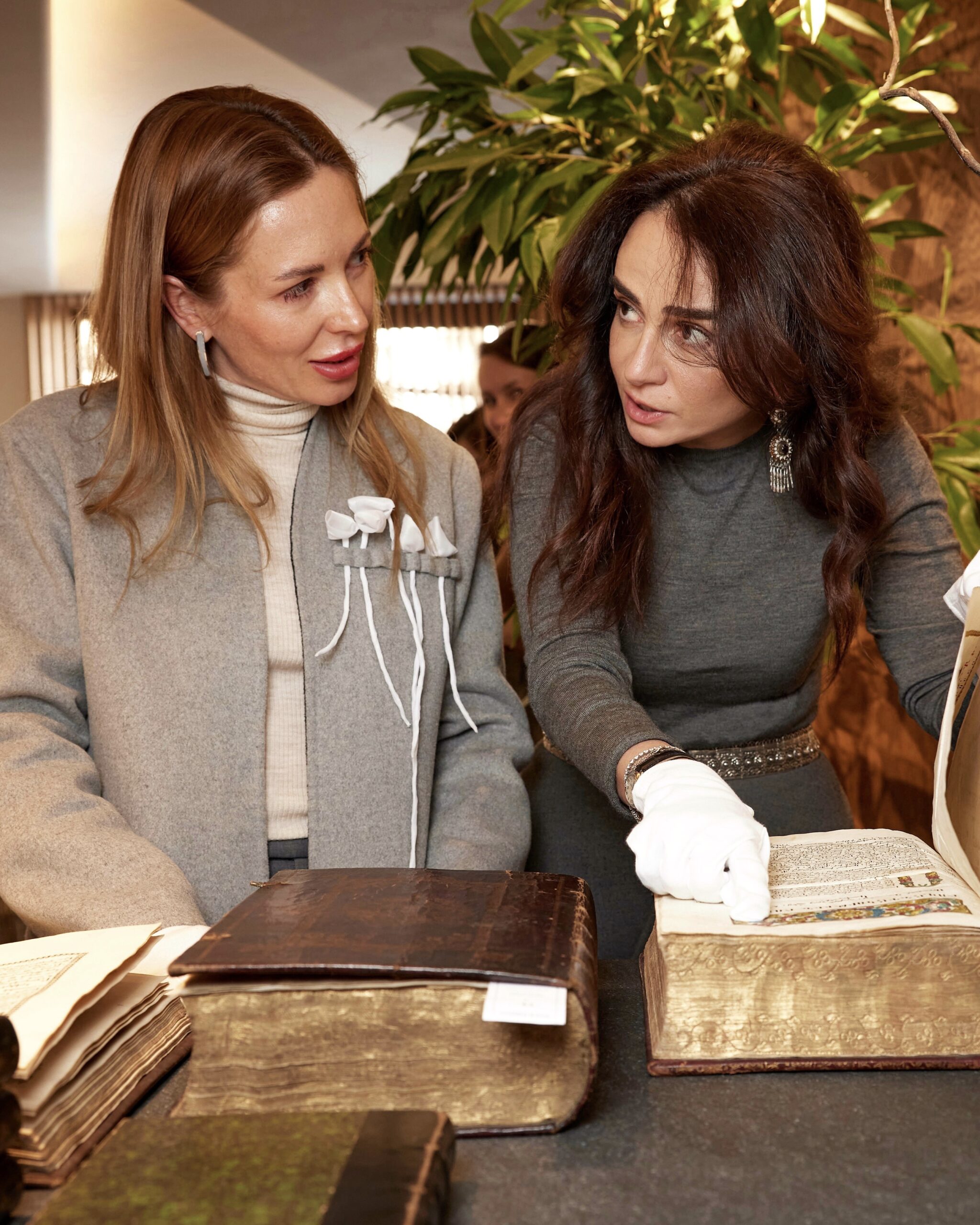
The acquired rare books and manuscripts were donated by Wilco to the Keron Development Foundation, recognizing it as a trusted institution actively engaged in the preservation and promotion of cultural heritage alongside its core mission.
“These rare books and manuscripts are carriers of historical memory and tradition. Their acquisition and return to the Armenian cultural environment are a contribution to preserving this heritage and passing it on to future generations. We believe that the long-term development of a country depends not only on economic growth and investment, but also on the preservation of cultural and intellectual heritage,” said Irina Belysheva, CEO of Wilco.
Each donated item holds particular significance regardless of its content, origin, or period. Two of the manuscripts are liturgical books used in church ceremonies. As such, Mashtots manuscripts reflect both the content of rituals and their evolution over time, influenced in part by interactions with other churches. They are therefore valuable sources for studying liturgical life as well as interchurch and interchurch relations.
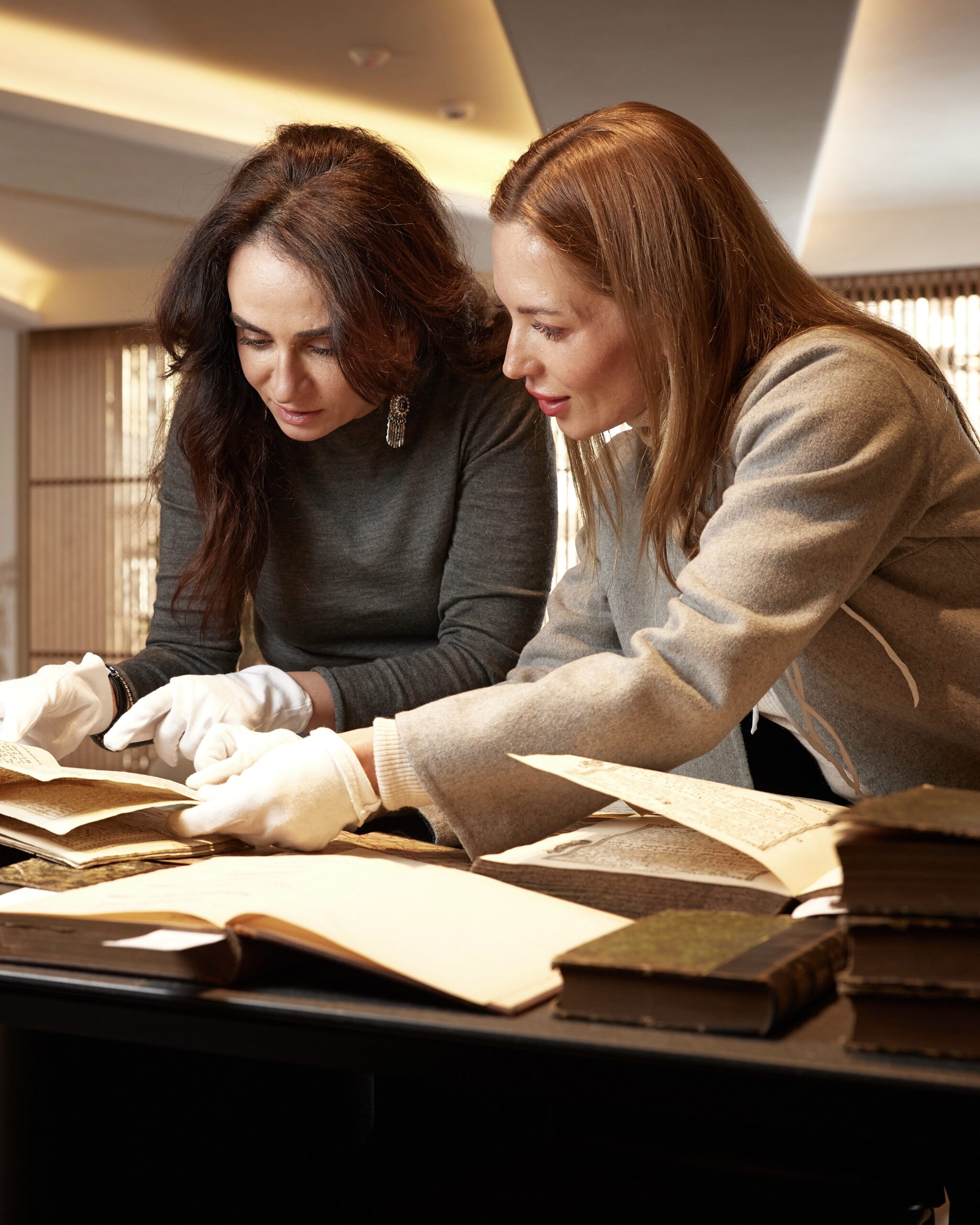
Of particular importance are the medical manuscrips (heckimarans), which are sources of traditional medicine. These manuscripts are typically unique, as each physician compiled their own manual. They hold an important place in the study of medieval medicine and are invaluable for understanding folk culture and everyday life – an increasingly relevant area of research in the humanities.
“We were deeply concerned about the fate of the invaluable heritage of the Samuelian bookstore, and we are truly grateful that Wilco was able to acquire some of these exceptional works and donate them to us. We approach the preservation of these unique manuscripts with great responsibility and are proud to serve as custodians of this important cultural heritage,” said Vanane Ararktsyan, Executive Director of the Keron Development Foundation.